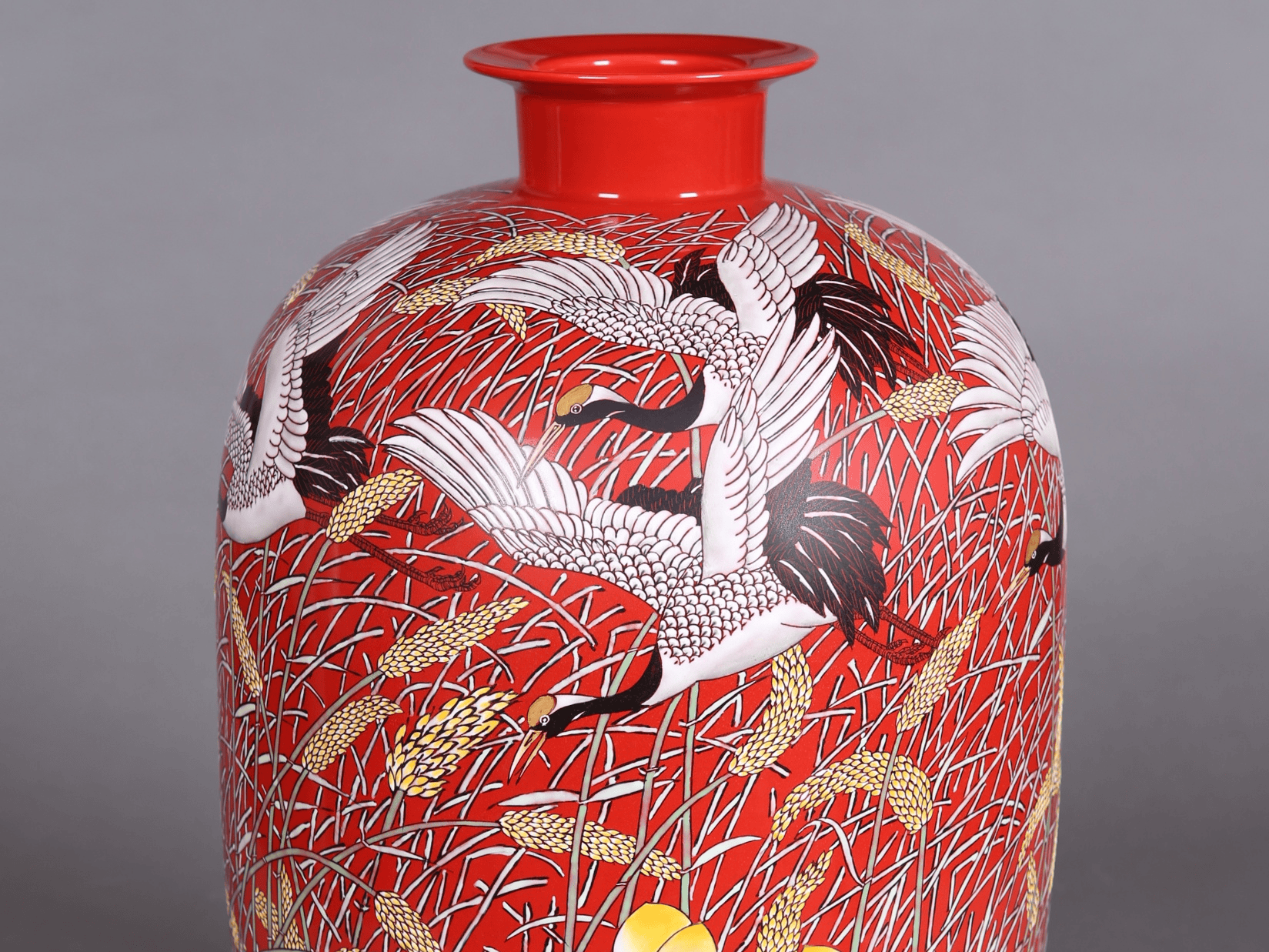
Brick statue embodies a distinguished practice variety with a extensive chronicle, spreading back numerous of generations. From ancient canisters to current setups, the resource offers unmatched possibilities for creative representation. Artists work with diverse techniques – including molding, wheel manipulating, and advanced firing processes – to shape humble dirt into exquisite three-dimensional productions. The longevity of fired earthenware also contributes to its status as a truly timeless part of human custom.
Researching Ceramic Panel Styles and Practices
The landscape of ceramic emblem design offers a vast array of imaginative possibilities. Makers often exercise a assortment of established and modern techniques to produce visually beautiful pieces. These can span from simple, engraved reliefs to complex, multi-layered structures. Widely practiced methods include shape forming, forming by hand, coating application – which can involve diverse modes like primary coloration, applying decoration after firing, and scratched decoration where designs are exposed by removing a layer of coating. Additional exploration into finishing techniques such as the raku firing method and lustre decoration can yield truly rare and bespoken terracotta tablets.
- Pattern Casting - Constructing pieces using a shaped form
- Sculpting by hand - Directly shaping the mud
- Surface Finishing - Layering the face with a glass-like finish
- Scraped detail - Showing designs by abrading coatings
Immersive Experiences: Stoneware Art Presentations
The developing landscape of imagination presents exciting contemporary avenues for observers, and ceramic art installations are at the forefront of this progression. These aren't just static objects; they are crafted to envelop the audience member in a sensory ambiance. Imagine stepping into a forest of towering, finished ceramic trees, or navigating a tangle of delicate ceramic vessels. Many sculptors are now incorporating music, luminescence, and even odor to enhance the sensation of their work. Visualize the power of a room filled with hundreds of carefully ceramic artifacts, each telling a account. Often, such installations analyze themes of the earth, heritage, and the individual.
- These particular installations blur the divisions between statue and structure.
- Experiencing a ceramic art installation can be a deeply moving journey.
- Producers are expanding the constraints of what is accomplishable with clay.
That Radiance of the Pottery Vessel: Use and Configuration
The clay jar represents a remarkable mixture of effectiveness and visual appeal. Historically, these jars served a simple purpose in preserving liquids, but their growth has transformed them into highly valued works of craftsmanship. Each item showcases the ability of the builder, demonstrating how shape can be as vital as service. The deliberate shaping, the exceptional glazes, and the comprehensive presence of a beautifully-crafted urn can upgrade a space, offering both allure and a subtle reminder of the artisan’s hand.
State-of-the-art Pottery Work : Reaching Perimeters
Modern clay creation represents a fascinating transformation from ancestral practices. Creators are energetically testing with novel procedures, blurring the distinctions between pottery and separate imaginative areas. From immense installations to ornate miniature pieces, these works explore themes of culture while concurrently revolutionizing the core of what stoneware can become. The byproduct is a active environment of expressive articulation.
Porcelain Plate: Upholding Record in Stoneware
Porcelain plaques offer a exceptional method for commemorating significant events and personalities. In contrast to traditional metal or stone markers, these sturdy pieces of creation are formed from kilned clay, creating a material link to the history. Regularly, they display intricate carvings or meticulously crafted imagery, telling stories Ceramic Tableware that might otherwise be passed over. One technique, linked to ancient tribes, provides a stunning and permanent way to honor our collective record.
- The described can be located in shared spaces.
- Numerous are now considered historical valuables.
Stoneware Art Exhibits: Redefining Places
Stoneware art installations are developing a significant medium for builders to transform public and private settings. These immersive works frequently involve significant clay structures that captivate viewers, redirecting their view of the constructed environment. By infusing diverse procedures like slab forming and comprehensive firing systems, ceramic artists produce truly extraordinary experiences, softening the boundaries between craft and space. The upshot is often a impactful modification that uplifts the aesthetic quality of the site and encourages communication.
Beginning Lathe to Beauty: The Trade of the Earthenware Receptacle
The journey of a earthenware receptacle from a simple lump of material to a perfected work of craft is a testament to human brilliance. Historically, the process originates with the potter’s wheel, where the proficient artisan constructs the rotary material into a cylindrical profile. This initial step demands skilfulness and a trained eye, followed by a delicate solidifying period. Once bisque-fired, the urn is ready for finishing, which may include coating intricate elements, engraving detailed depictions, or executing a assortment of enamels. The closing firing process then modifies the product into a durable and eye-catching pot, a tangible manifestation of the builder's vision.
Working with Stoneware: A Primer to Brick Craft
Investigating the area of porcelain art begins with knowing the principles of forming with porcelain. One method entails meticulously applying and excising volume to create three-dimensional objects. Whether you're a novice or a skilled artisan, exploring with distinct categories of porcelain – notably pottery – will promote you locate your unique style. Ultimately, ceramic sculpting is a rewarding journey that combines technical skill with creative expression.